When Tutoring Isn't Enough: The Missing Foundation for Learning
For years, I worked directly with students who struggled with reading, writing, attention, organization, and academic confidence. While many made progress through targeted instruction, I repeatedly noticed something important: some children weren't struggling because they lacked intelligence or effort. They were struggling because the neurological foundations that support learning were not fully developed.
The more I learned about neurodevelopment, auditory processing, sensory integration, and nervous system regulation, the more I realized that traditional tutoring often addresses the symptoms rather than the root cause.
Learning Requires More than Academic Instruction
Learning requires far more than academic instruction.
Before a child can successfully read, write, organize, focus, communicate, or regulate emotions, their brain and nervous system must be ready to support those skills.
When foundational systems are under stress, children may experience:
Difficulty sustaining attention
Executive functioning challenges
Emotional dysregulation
Anxiety
Sensory sensitivities
Listening difficulties
Delayed language development
Inconsistent academic performance
In many cases, the issue isn't motivation or intelligence. The brain is simply working harder than it should to process information from the world around it.
This realization led me to the Tomatis Method.
Looking Beyond Symptoms: The Missing Pieces, Listening, Regulation and Connection
The Tomatis Method is a neuroscience-based listening program designed to support the relationship between the ear, brain, body, and nervous system.
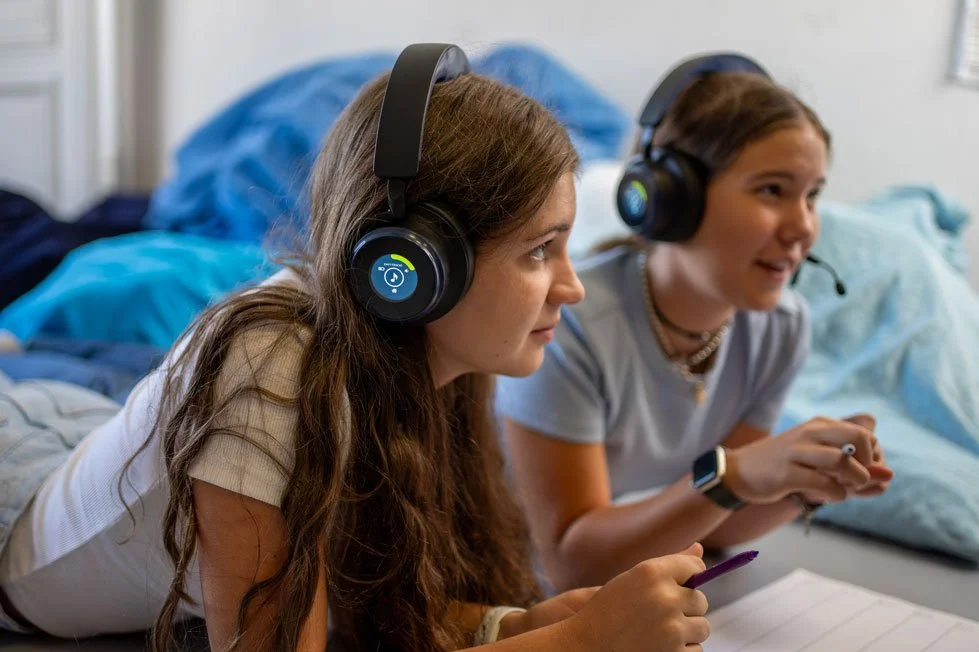
Through specialized listening sessions, individuals engage with carefully filtered music and voice frequencies that help stimulate the auditory system and support communication between different areas of the brain.
Over time, many clients report improvements in:
Attention and focus
Emotional regulation
Communication
Listening skills
Confidence
Executive functioning
Learning readiness
A Neurodevelopmental Approach Beyond Traditional Tutoring
Today, my work has shifted from primarily teaching academic content to helping individuals strengthen the neurological foundation that makes learning possible.
For some clients, direct instruction remains an important piece of the process. Once the brain becomes more available for learning, skill development can occur more efficiently and with less frustration.
But the starting point is no longer simply asking, "How can we teach this skill?"
The starting point is asking, "What does the brain need in order to access this skill?"
Every Child Deserves the Opportunity to Thrive
Every child deserves to be understood from a strengths-based perspective. When we look beyond academic performance and begin supporting the systems that underlie learning, communication, regulation, and connection, new possibilities emerge.
My goal is not simply to help children perform better. My goal is to help them access their fullest potential for learning, growth, and engagement with the world around them.